


Seasonal depression is not new, especially not among college students who just survived midterms.
Not to be confused with the “holiday blues”—stress relating to calendar dates such as Christmas—seasonal depression is characterized by changes in mood and behavior associated with the change in seasons and daylight hours.
Symptoms can include but are not limited to decreased energy, difficulty concentrating and social withdrawal.
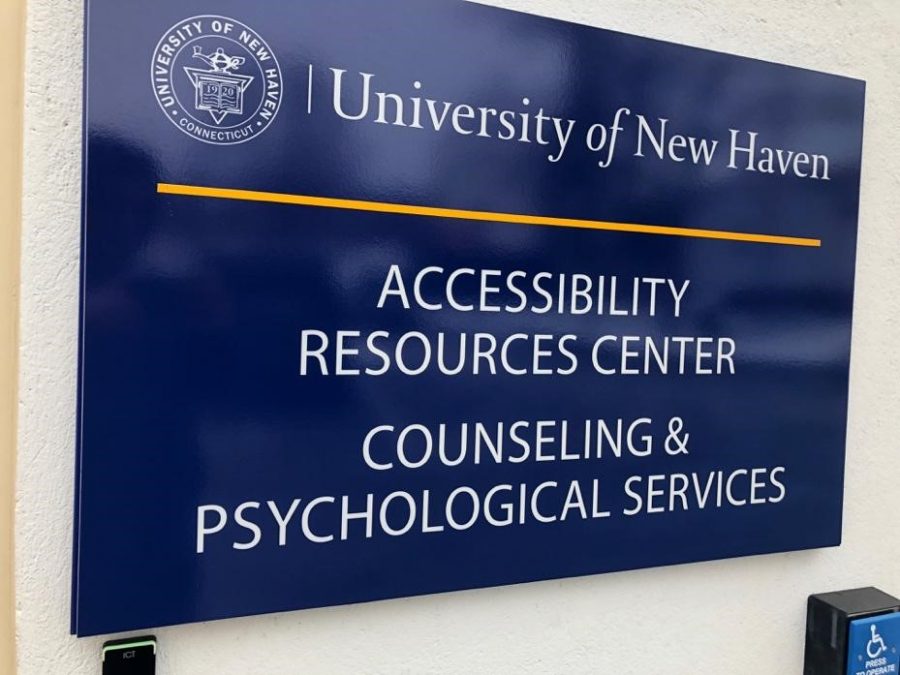
Tavia Bascuine, director of Hartford HealthCare’s Counseling and Psychological Services (CAPS), said she usually notices an influx of intake requests during the fall semester compared to spring.
“I think that’s because everyone’s returning from the summer, and we do have new students, and things can change between spring and fall,” Bascuine said.
Finance senior James Russel said he believes the sun is a direct contributor to happiness, especially in his case, where his favorite activities— such as sunbathing and walking his dog—are limited in the winter months.
“I think ‘stopping to smell the roses’ is the best quote, because it’s true,” Russel said.
In terms of coping with seasonal changes, Bascuine said recognizing the sudden shift in mood and mindset comes first.
“It can feel really detrimental when you’re just like ‘I’m doing so well’ and all of a sudden, out of the blue, it feels like it was night and day,” she said.
A 2012 study in Finland – where in winter the night can last 24 hours — found a correlation between seasonal depression and cognitive decline in young adults, which appeared in issues in auditory processing, processing speed and short-term memory.
“Sometimes, the first step is just the thought of it,” Bascuine said. “Then the next step is: Can you get your feet on the ground?”
Bascuine said it is important to meet the students she works with where they are, then tailor their working sessions to what that student specifically needs.
Before using coping mechanisms, Bascuine emphasized the importance of grounding yourself in the present moment through techniques such as deep breathing or connecting with people who are comfortable offering physical touch. Some students, like forensic science senior Isaiah Delarosa, prefer not to use the university’s s on-campus services. Instead, Delarosa prefers to rely on support from himself and his social circle.
“I’m not at the point where I need outside assistance, you know?” Delarosa said.
Still, CAPS has adapted by reaching students through updates on their Instagram page, @unewhavencaps.
“We’re trying to be more intentional, knowing that this is a generation that also responds to content on social media,” Bascuine said. “I was like, ‘Hey, not everyone’s going to want to come to our office, so we’ll see how we can at least get to people.’”
Regardless of how the office reaches students, Bascuine said CAPS wants to remind students there are resources to help.
“It’s okay to not always be okay,” Bascuine said. “It is hard when life is difficult, or challenging, or unexpected challenges occur, but I do think there are folks around that do genuinely care.”