


Soon, students will work hand-in-hand with industry leaders to prepare for the future.
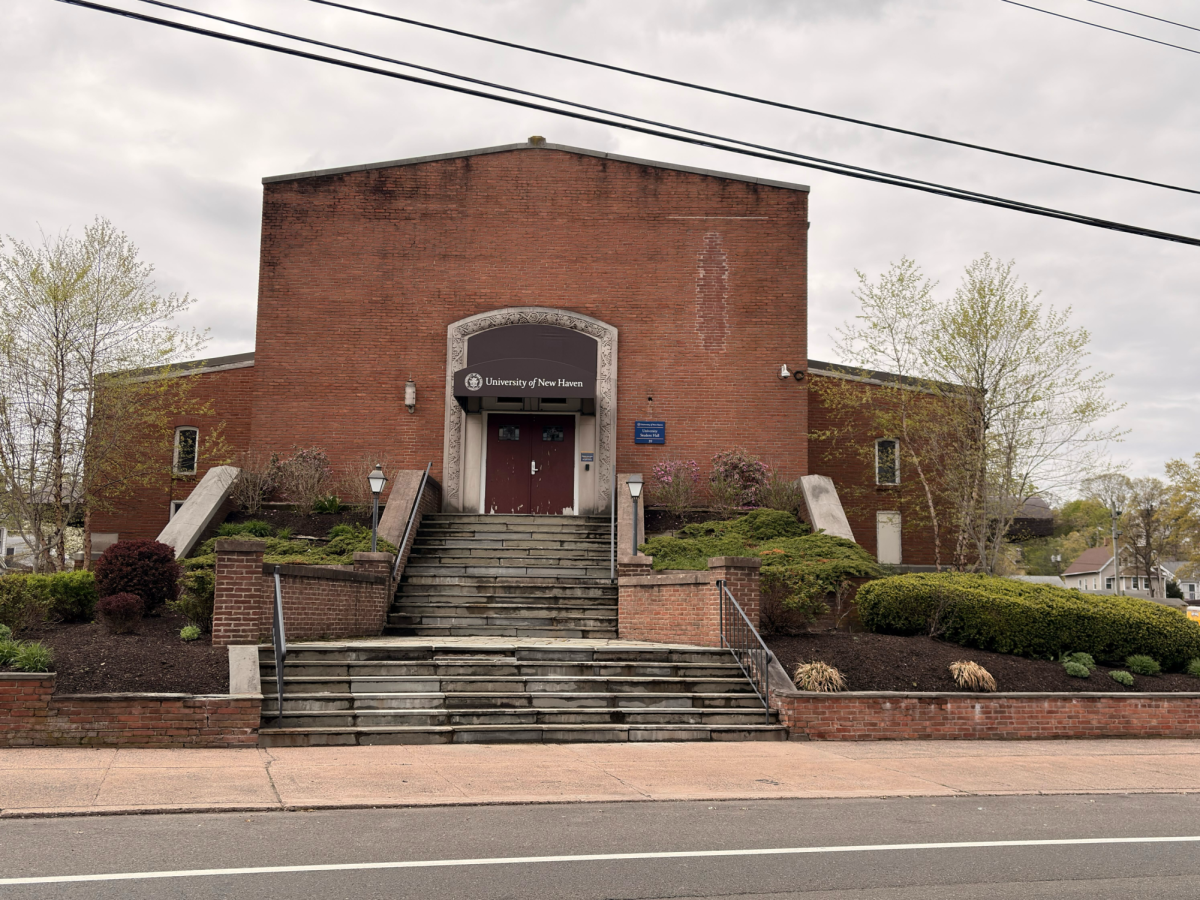
Last Thursday, the university hosted around 300 individuals from across academia, industry, government and the nonprofit sector in what used to be Railroad Salvage as part of an Open House showcasing the university’s vision for the Center for Innovation and Applied Technology.
In early September, the university announced it had secured $10 million of its $25 million goal for renovating the 130,000 square-foot property that it purchased late last year.
Overseeing the development of the center is Paul Lavoie, who was hired by the university in July after serving as a chief manufacturing officer for the State of Connecticut, having been named one of the top 5 chief manufacturing officers in the world.
“Developing our Center for Innovation and Applied Technology is a bold step in bridging academic innovation with industry application,” said Lavoie. “Whether in manufacturing, biotech, data science, or national security, the Center will serve as a hub for industry collaboration that drives innovation and fuels economic growth across the region.”
While benefiting the regional economy, the center will also benefit students directly, giving them experience and a network that will help them be ready for work straight out of university. “Through the work of the Center, students will gain significant experience working directly with companies on real-world projects,” said President Jens Frederiksen. “This approach will enable students to gain the knowledge, experience, and confidence they need to be better than ready to be successful in the workforce of the future. Our focus is on building pathways where companies will work with our students and then be in a position to hire them when they graduate.”
Plans for the center align with the State of Connecticut’s goal to invest in high-growth sectors like advanced manufacturing, artificial intelligence, and quantum computing. Daniel O’Keefe, Commissioner of the Connecticut Department of Economic and Community Development, has supported such public-private partnerships as necessary tools to generate a “transformative impact” in the state’s economy. This program will help accelerate the adoption of new technologies, improving competitiveness, training the workforce of our future, and boosting vibrancy in host communities and surrounding regions,” said O’Keefe.
The Connecticut Innovation Clusters Program, announced last May by Connecticut Governor Ned Lamont, will use a mix of public and private funding to speed up innovation in fast-growing industries where Connecticut is already strong.
During the event, renderings were on display, showing off the plans for “white boxing,” the strategy of preparing a space to be blank to create a cutting-edge facility that will allow industry partners to move in seamlessly, work directly with faculty specialists, and offer students practical, real-world learning experiences.
While the university has yet to reach the full $25 million goal set for the center’s renovations, renovations of the site are believed to begin next year.