


The current freshman class is one of the largest in the university’s history, leading to significant changes to the housing process. Implemented in the spring, these adjustments have resulted in some upperclassmen living in dorms farther from campus as the university tries to accommodate the large freshman population.
The residential building at the forefront of the discussion has been Celentano Hall, which has transitioned from an upperclassmen-only building to one that allows underclassmen to select it during the housing application process. Consequently, some students who believed they were guaranteed a spot in this building have had to search for off-campus housing with short notice.
As a result, upperclassmen students’ housing options are often located farther from main campus, with options such as the Forest Hills Apartments, The Atwood, Parkview and Savin Court Townhouses, which can be up to two miles from campus.
Cindy Sanders, the director of residential life since last October, said “Placing first-year and sophomores in university housing located closer to the center of campus helps ensure they are near the resources that are most critical to success during the transition to college and the early college years.”
Though much of the off-campus housing allocated for upperclassmen are newer with more features, their distance from main campus creates a need to travel farther to engage with campus life.
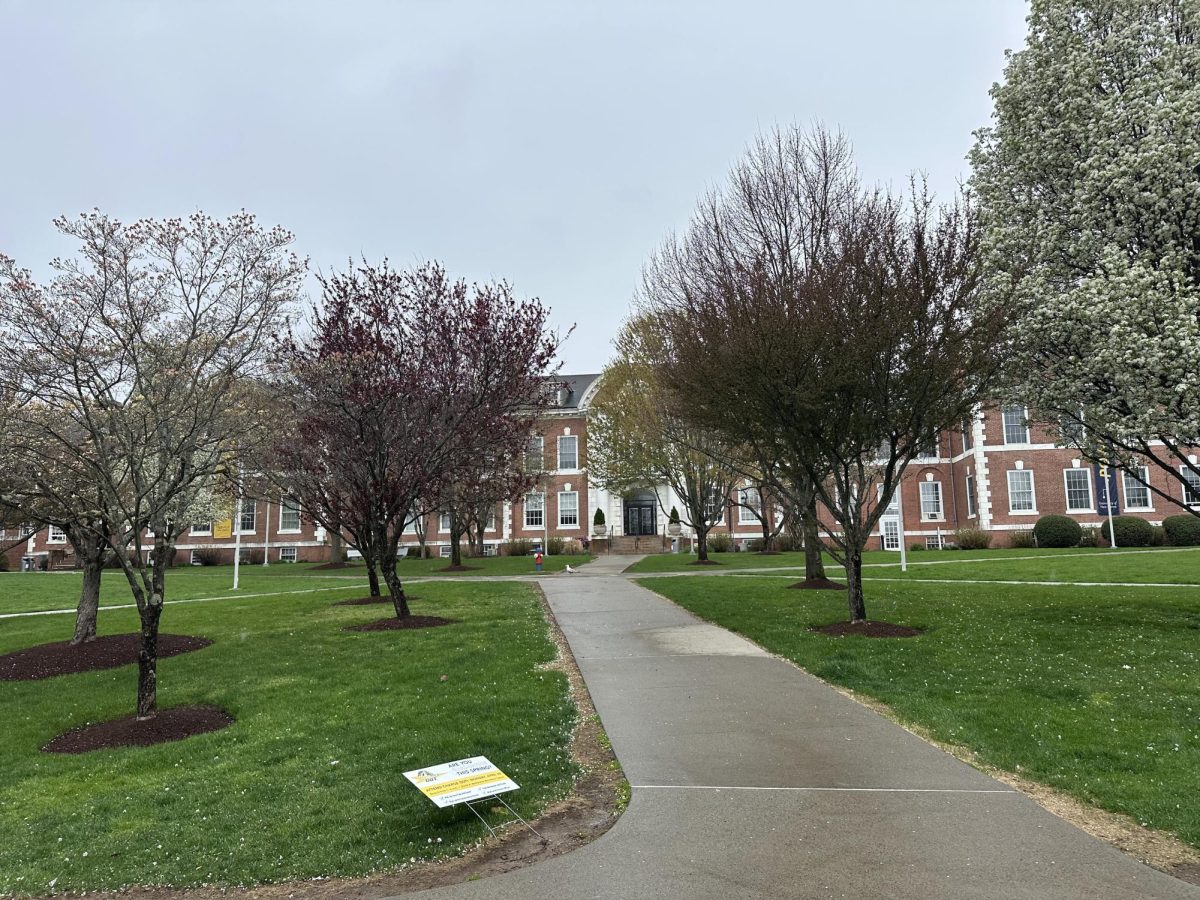
Celentano Hall, a higher-end building, is also located in the heart of the university’s campus and provides the advantages of proximity and quality to students living there.
Pearce Boit, a senior majoring in intelligence analysis and living in the Forest Hills Apartments said, “We’ve been here the longest, we’ve put the most money into this college. I’ve been here four years. We’ve poured a lot more money into this than freshmen or sophomores, so I think it’s only fair that we should get priority housing.”
Transportation has also become an issue under the new housing policy changes, as having a car is crucial to commute from some of these off-campus apartments. While campus shuttles are available , their limited routes and inconvenient schedules don’t always meet the students’ needs. Jillian Carroll, a sophomore majoring in chemical engineering and living in Celentano said, “I think they should build more housing in general on campus, because no one wants to walk from Forest or Atwood.”
There is an uncertainty for many students like Carroll who worry about the future of their housing selection process.
Sanders said the ability to live farther from the center of campus can actually be a positive for upperclassmen, because it can “…foster more independence and better reflect settings that replicate what they may live in after graduating.”
Ultimately, some students may enjoy the benefits of privacy and separation that living off-campus offers, while others are affected by not having a choice in living off-campus. This is not an issue that will be solved immediately, but engaging in discourse that presents a variety of perspectives is a step in the right direction.