


On March 31, a Southern Connecticut State University (SCSU) nursing student was detained by Immigration Customs and Enforcement (ICE) outside a courthouse in Middletown.
Keyla Vazquez-Zuniga, a student from Ecuador, was taken into custody by ICE and transported to a detention center in New Hampshire to face alleged trespassing and disorderly conduct charges, despite no Connecticut court records showing warrants or prior criminal history. She was later moved to a Louisiana detention center by ICE. The Department of Homeland Security claimed that Vazquez-Zuniga is in the U.S. illegally, after overstaying a six-month tourist visa issued in 2021.
In the wake of her detention, a large protest and rally was held on SCSU campus last week calling for Vazquez-Zuniga to be released. Organizers and students have also been working to raise money for her release. Congresswoman Rosa DeLauro, who represents Connecticut’s third congressional district, has also been probing the situation and seeking additional information through her office.
While the student was not detained on SCSU’s campus, questions have still been raised about what would happen if ICE were to operate on the campus. At SCSU, if ICE agents seek access to students on campus, they are required to contact interim president Dr. Sandra Bulmer with the university’s police department serving as their initial point of contact.
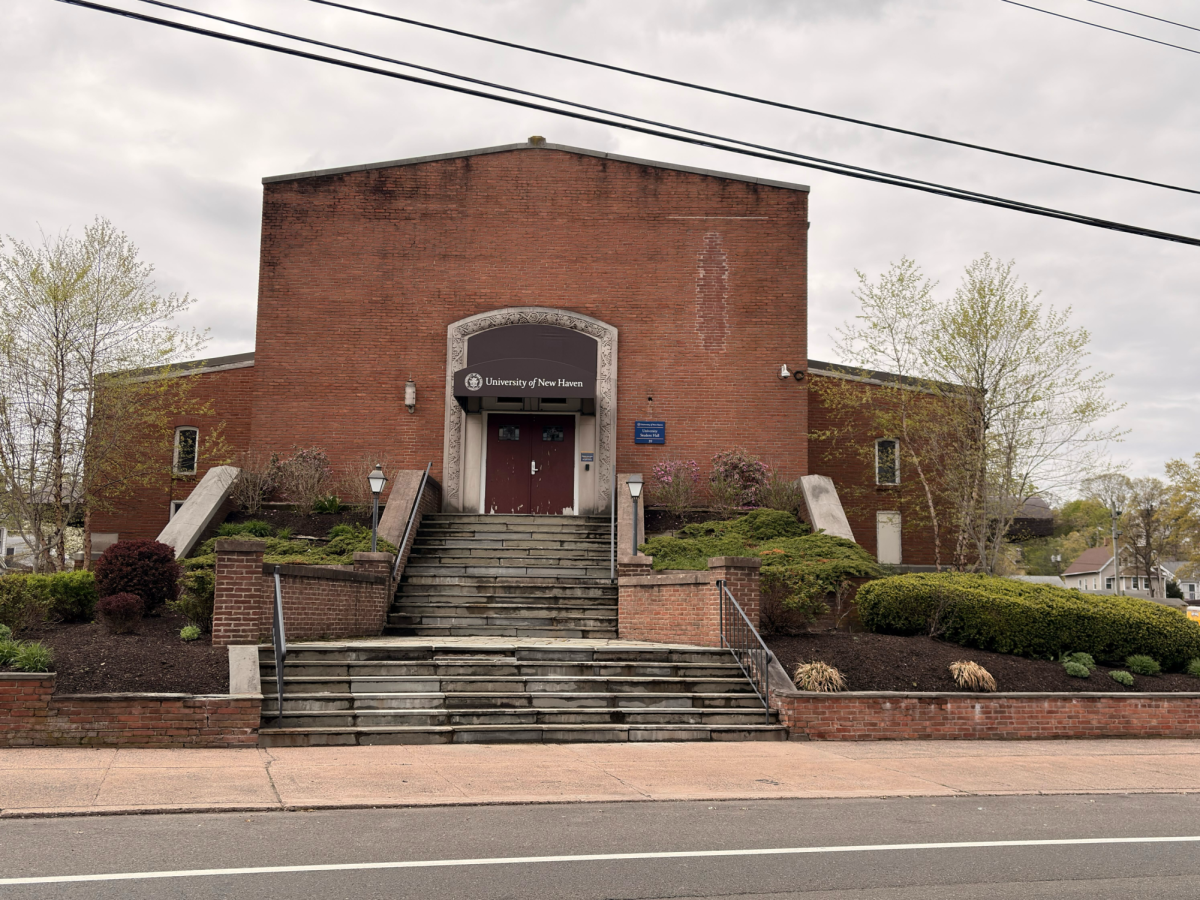
Last week, the University of New Haven’s IDEA Council sent an email to students regarding a recent community conversation on immigration related resources.
“We will continue to develop opportunities to share information about campus and community resources, discuss ways to support one another and cultivate open dialogue in a respectful environment,” said Ophelia Rowe-Allen, the university’s dean of students and IDEA Council co-chair, and Sheila Smith, director of the Myatt Center and IDEA Council co-chair.
The email also attached a PowerPoint on understanding immigration policy and law in Connecticut and nationwide. At the University of New Haven, ICE agents cannot access private areas such as residence buildings, classrooms, labs and offices without point of contact with university police. If ICE agents present a judicial warrant they can access these spaces. University police are not permitted to detain anyone based on immigration warrants or enforce immigration laws. They also must verify if any warrant is signed by a judge and real before allowing ICE activity. Students cannot allow ICE agents into buildings without university police present.
Michael Lawlor, an acting associate dean for the Henry C. Lee College of Criminal Justice and Forensic Science and associate professor of criminal justice said, “students need to be hypervigilant to not allow people who are under any circumstances into the dorms and the most important thing to understand is if you see something happening and choose to physically get involved you’re going to get arrested and charged with interfering with the feds. It’s encouraged to videotape and say whatever you want to say and protest but don’t physically.”
Lawlor referenced the arrest of a Columbia University student by ICE after agents reportedly lied and said they were looking for a missing person.
Officers in the state are also required to follow the Trust Act, passed in 2013 by Connecticut’s state Senate and House and signed into law by former Gov. Dannel Malloy. The law restricts what information police in Connecticut can share with ICE agents and also prevents police from detaining anyone based on immigration status. New amendments signed into law in 2025 by Gov. Ned Lamont allow migrants to sue Connecticut police if they violated the Trust Act and allows police to comply with ICE in cases involving violent crimes, such as sexual assault.
Connecticut also enforced a ‘duty to intervene law’ passed in 2020 following the murder of George Floyd, known as the Connecticut Police Accountability Act. The law requires officers in Connecticut to intervene if they see another officer using excessive force on someone.
“We had an event on campus about a month or so ago where the head of the state police was here and he was asked this question: Does that mean if a local police officer like UNHPD sees federal officers roughing someone up, do they have a duty to get involved and stop it, he said yes they do,” said Lawlor when discussing if ICE were to be present on campus.